Buying a Unique Aircraft in Canada and What to Check Before the First Flight
- Caleb Winterburn
- 6 days ago
- 6 min read

One of the most exciting parts of aviation is getting the opportunity to fly something different.
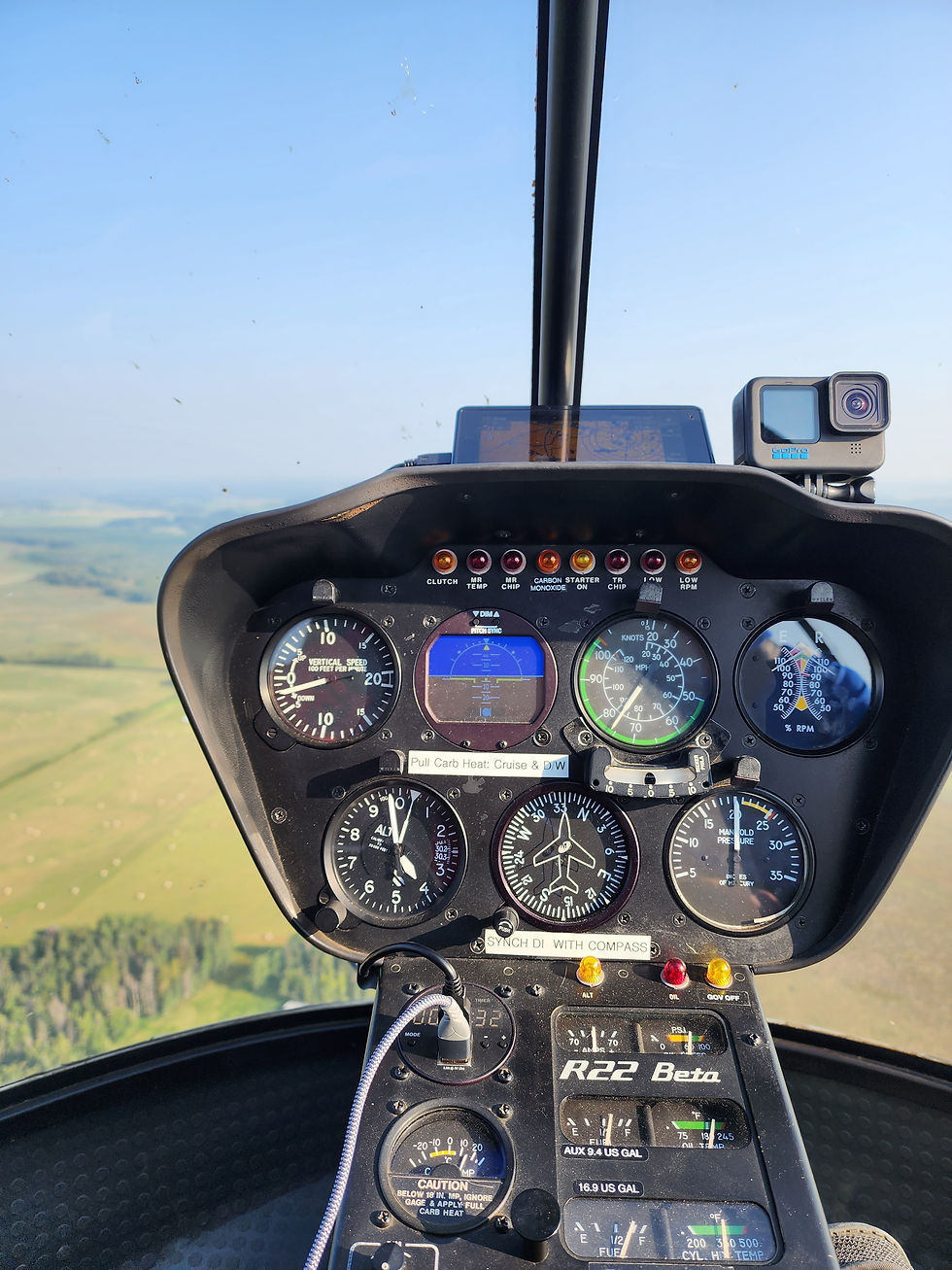
It could be a tailwheel aircraft, floatplane, amphibian, retractable, homebuilt aircraft, warbird, helicopter or another aircraft that requires skills you have not used before.
However, being legally licensed to fly an aircraft does not automatically mean you meet the requirements of your aircraft insurance policy.
This is an important distinction that pilots should understand before purchasing an aircraft or beginning their first solo flight.
Legal Requirements and Insurance Requirements Are Different
Transport Canada determines whether you hold the licence, ratings and recency required to exercise your flying privileges.
Your insurance company determines whether you meet the pilot qualifications listed in the aircraft insurance policy.
These are two separate questions.
A pilot might legally be permitted to fly an aircraft but still require additional training before the insurance company will provide coverage for solo flight.
Canadian pilots must also continue to meet the applicable Transport Canada recency requirements. Depending on the aircraft and operation, additional ratings, endorsements or qualifications may also be required.
Before flying, confirm both your legal qualifications and the pilot requirements contained in your insurance policy.
Why Unique Aircraft Receive More Attention
Insurance companies evaluate the combination of the aircraft, pilot and intended operation.
Some aircraft require more attention because they have characteristics that may be unfamiliar to a pilot transitioning from a conventional training aircraft.
Examples can include:
Tailwheel landing gear
Retractable landing gear
High horsepower or complex systems
Float or amphibious landing configurations
Experimental or amateur-built construction
Limited availability of replacement parts
Unusual handling or landing characteristics
High aircraft values
Turbine engines
Specialized uses or operating environments
This does not necessarily mean the aircraft will be difficult to insure. It means the insurance company will want to understand how the pilot plans to make the transition safely.
Speak With Your Insurance Broker Before Buying the Aircraft
Pilots sometimes purchase an aircraft and only investigate insurance after the sale is nearly complete.
That can create unnecessary pressure.
The insurance company may require training that is difficult to arrange locally. There may be only a few pilots in Canada with meaningful time on the aircraft. The seller may also be the best person available to provide transition training.
Before finalizing the purchase, provide your aviation insurance broker with:
Your licence and ratings
Your total flying time
Your pilot history form or résumé
Your recent flying experience
Your time in similar aircraft
The aircraft make, model and value
The intended use of the aircraft
Your proposed training plan
The qualifications of the person providing the training
The earlier this information is provided, the more time your broker has to present the risk properly and negotiate a practical training requirement.
A Flight Instructor May Not Always Be the Only Option
Many aircraft insurance policies require a checkout with a qualified flight instructor before solo flight.
That is a common and reasonable requirement, but it may not be the only option available.
For a rare or specialized aircraft, it may be difficult to find a flight instructor with experience on the exact make and model. In some situations, an insurance company may consider training provided by:
An experienced commercial pilot
The previous owner of the aircraft
A factory-approved training provider
A pilot with substantial time on the same make and model
Another pilot specifically approved by the insurance company
Whether one of these alternatives will be accepted depends on the pilot, aircraft, insurance company and policy.
Never assume that another pilot is automatically qualified to provide the required checkout. Submit the proposed pilot’s qualifications to your broker and receive written confirmation before beginning the training.
Build a Specific Transition Plan
A strong training plan is more useful than simply promising to obtain some dual instruction.
The plan should address the areas where your experience differs from the aircraft you are purchasing.
For example, a pilot transitioning from a Cessna 172 to a tailwheel aircraft may need to focus on ground handling, crosswind control, wheel landings and operations from shorter grass runways.
A pilot moving into an amphibious aircraft may need additional training involving landing gear procedures, water operations, docking, wind assessment and the risks associated with landing on the wrong surface with the wrong gear configuration.
A pilot purchasing a retractable aircraft may need training on aircraft systems, emergency gear extension, power management and stabilized approaches.
The most effective training requirement is not always based solely on a predetermined number of hours. It should prepare the pilot for the aircraft’s actual characteristics and intended operation.
Get Every Pilot Approved Before Flight
Completing the training does not always mean the process is finished.
The insurance company may require confirmation that the training was completed. This could include a logbook entry, signed checkout form or written statement from the approved training pilot.
The pilot may then need to be formally added to the policy.
You should receive written confirmation that the pilot is approved before solo flight. A verbal conversation or an assumption that the pilot meets the policy requirements may not be enough if a claim occurs.
The same caution applies when allowing a friend, ferry pilot or maintenance pilot to operate the aircraft. They must either be specifically approved or meet every requirement of the policy’s open pilot provision.
I discuss this further in Can Another Pilot Fly Your Aircraft and Still Be Covered.
Experience Can Improve Your Options Over Time
A pilot’s first year in a specialized aircraft may involve additional training or a more restrictive pilot requirement.
That does not mean those requirements will remain forever.
As the pilot builds experience, the insurance company may be willing to reconsider:
Named pilot restrictions
Dual instruction requirements
Deductibles
Open pilot requirements
Premium
Coverage options
Keep accurate records of your annual flying time and time on type. Continuing education and recurrent training can also help demonstrate that you are actively managing the transition.
When your policy renews, provide updated experience rather than allowing the insurance company to rely on last year’s information.
The Cheapest Quote May Have the Hardest Training Requirement
Premium is important, but it should not be the only part of the quote you compare.
One insurance company may offer a lower price but require training that is expensive or almost impossible to obtain. Another may charge slightly more while accepting a practical transition plan using an experienced pilot who is already available.
You should compare the complete offer, including:
Pilot requirements
Training requirements
Deductibles
Aircraft value
Liability limits
Policy exclusions
Approved uses
Coverage while receiving instruction
A workable policy can be more valuable than a cheaper policy that prevents you from operating the aircraft as planned.
Plan the Transition Before the First Flight
Moving into a unique aircraft should be exciting.
The best way to protect that experience is to deal with the licensing, training and insurance requirements before the aircraft is ready to fly.
A good transition plan can help the insurance company understand the risk, give the pilot meaningful experience and prevent coverage questions after a loss.
If a traditional flight instructor checkout is difficult to arrange, speak with your aviation insurance broker. There may be another training solution available, but it must be discussed and approved in advance.
Request an Aircraft Insurance Quote
Are you purchasing or transitioning into a unique aircraft?
Our aviation insurance team can review your experience, approach the appropriate insurance companies and help you develop a practical training plan.
You can request a free, no-obligation aircraft insurance quote through Covalen:
About the Author
Caleb Winterburn is Vice President of Aviation Insurance at Covalen and has worked exclusively in aviation insurance since 2011. He has helped arrange more than 22,000 aircraft insurance policies for aircraft owners, pilots, flight schools and commercial aviation operators across Canada.
Caleb is also a commercial aeroplane and helicopter pilot. His experience as both a pilot and an aviation insurance broker allows him to explain aircraft insurance requirements from both sides of the cockpit.
Disclaimer
This article is provided for general educational purposes only. Licensing, training, pilot approval and insurance requirements vary according to the pilot, aircraft, operation and insurance company. Always confirm the applicable requirements with Transport Canada, a qualified aviation professional and your aviation insurance broker. Coverage is subject to the terms, conditions and exclusions of the issued insurance policy.


Comments